Removable vs Permanent Vinyl: Which One Fits Your Project?
Pick removable vinyl for anything temporary, painted, or delicate: rental walls, retail promotions, glass you'll change seasonally. Pick permanent vinyl for anything that lives outdoors, gets washed, or needs to last years: vehicle decals, tumblers, storefront windows. Both depend on surface compatibility and cure time (24 to 72 hours) more than the label on the roll, so always test a small patch first.
- Removable: temporary displays, painted drywall, seasonal graphics
- Permanent: outdoor signage, vehicles, drinkware, high-wash items
- Always test: surface energy and cure time before full production
At Crispsign, we build signage around this exact tradeoff every day, and the material choice comes down to two things: pressure-sensitive adhesive behavior and the surface energy of what you're sticking it to.
TL;DR:
- Removable vinyl is suitable for weeks to months and should be removed before exposure to prolonged heat or sun, which can turn it into a permanent bond.
- Permanent vinyl lasts three to five years outdoors when properly laminated and applied to high-surface-energy surfaces such as glass, sealed metal, or automotive coatings.
- Surface testing using the water-bead method helps determine if the surface is compatible; low-surface-energy materials require primers or specialty films.
- Proper surface preparation involves cleaning with alcohol, waiting for the surface to fully cure, and applying with a squeegee to ensure adhesion and easy removal.
- Choosing the right vinyl depends on the application’s duration, exposure to weather or washing, and surface type, with professional fabrication recommended for large or critical projects.
Table of Contents
- Removable vs Permanent Vinyl: How the Adhesives Actually Differ
- How Long Does Each Type of Vinyl Actually Last?
- Which Surfaces Work Best With Removable or Permanent Vinyl?
- How to Prep, Apply, and Remove Vinyl Without Ruining the Surface
- How Do You Choose Between Removable and Permanent Vinyl?
- What I've Learned Watching Vinyl Projects Go Wrong
- Get Professional-Grade Vinyl Without the Guesswork
- Key Takeaways
- Sources
- FAQ
Removable vs Permanent Vinyl: How the Adhesives Actually Differ
Every vinyl sticker relies on a pressure-sensitive adhesive (PSA), a compound that bonds when you apply pressure rather than heat or solvent. What separates removable from permanent vinyl is tack: how aggressively that adhesive grabs the surface and how completely it "wets out," or flows into the surface's microscopic texture.
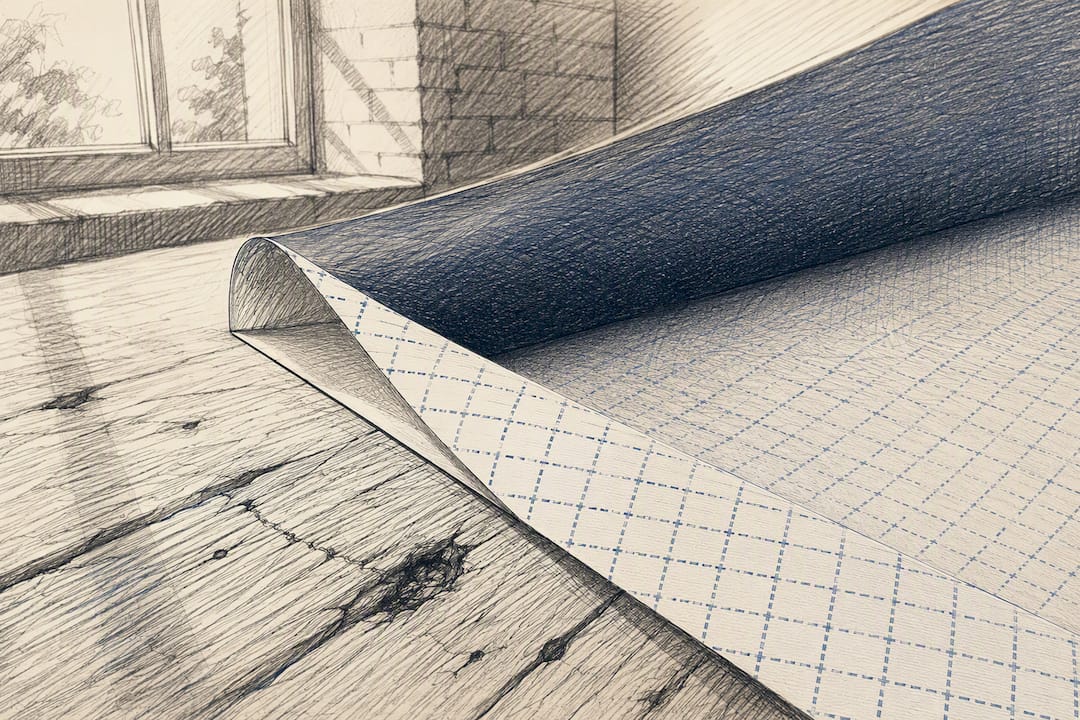
Removable vinyl uses a low-tack adhesive engineered to bond just enough to hold, then release cleanly. Permanent vinyl uses a high-tack adhesive that keeps curing after application, reaching its ultimate bond strength somewhere in that 24 to 72 hour window. That curing process is chemical, not just physical. The adhesive molecules continue settling into the substrate.
Heat and UV exposure accelerate this same wet-out process in removable vinyl, which is the catch most people miss.
- Low-tack adhesive: designed to release, weakens over time on purpose
- High-tack adhesive: designed to strengthen, cures into a permanent bond
- Heat and direct sun push either type toward a stronger, harder-to-remove state
Pro Tip: If you're using removable vinyl for a seasonal window display, don't leave it up through a summer heat wave. The same sun that fades a poster will "bake" a removable adhesive into something closer to permanent.
How Long Does Each Type of Vinyl Actually Last?
Removable vinyl is built for weeks to months, not years. Indoors, away from direct sun, it typically stays clean and removable for up to 12 months, though manufacturers designed that window specifically for indoor conditions and it shrinks fast outdoors.
Permanent vinyl, laminated and applied correctly, is rated for three to five years or more outdoors. The real driver of that lifespan isn't the "permanent" label. It's whether you're using cast vinyl (thinner, more conformable, better for curves and long-term outdoor use) or calendered vinyl (thicker, more affordable, better suited to flat, shorter-term applications).
A laminate layer adds UV and abrasion resistance on top of either film type. Vehicle decals and outdoor storefront graphics almost always call for cast vinyl with lamination; a tumbler you'll hand wash for two years can get away with calendered permanent vinyl and no laminate at all.
Which Surfaces Work Best With Removable or Permanent Vinyl?
Surface energy determines whether an adhesive bonds well or fails quietly over a few weeks. High-surface-energy (HSE) materials like glass, sealed metal, and automotive clear coat give adhesives plenty of texture to grip. Low-surface-energy (LSE) materials like certain plastics, silicone, and some powder-coated finishes resist bonding no matter how sticky the adhesive claims to be.
- Glass and sealed metal: both removable and permanent vinyl work well here.
- Painted drywall: removable vinyl only, and wait at least two to four weeks after fresh paint before applying anything.
- Automotive clear coat: permanent vinyl, and only after confirming the coating has fully cured.
- Textured masonry or brick: neither standard film adheres reliably; this calls for specialty high-tack films or a primer step.
- LSE plastics: test first or use a primer designed for low-surface-energy substrates.
Pro Tip: Run the water-bead test before you commit. Drip a small amount of water on the surface: if it beads up, you're dealing with low surface energy and need a specialty film or primer. If it spreads flat, standard vinyl should bond fine. This five-second check catches most surface failures before they happen.
How to Prep, Apply, and Remove Vinyl Without Ruining the Surface
Clean, dry surfaces make or break every application. Wipe the area with isopropyl alcohol, let it dry completely, and if you're working on freshly painted walls, wait for the paint to fully cure first. Skipping this step is the single most common reason vinyl fails within days.
- Clean the surface with alcohol, not glass cleaner (residue interferes with adhesion).
- Apply with a squeegee, working from center outward to push out air bubbles.
- Respect the cure window. Permanent vinyl needs 24 to 72 hours before washing or heavy handling.
- Remove removable vinyl by peeling slowly at a low angle, ideally within its rated window.
- Remove permanent vinyl with low heat from a hair dryer, peeling slowly, then cleaning residue with isopropyl alcohol or a commercial adhesive remover.
Pro Tip: Never yank permanent vinyl off cold. Heat softens the adhesive so it releases in one piece instead of tearing and leaving a sticky outline behind.
How Do You Choose Between Removable and Permanent Vinyl?
Run through four questions before you order any material, and you'll land on the right answer almost every time.
- Will this graphic need to come off later? If yes, removable is your starting point.
- Will it face sun, rain, car washes, or dishwashers? If yes, permanent, laminated if outdoors.
- What's the surface? Painted drywall pushes you toward removable; glass, sealed metal, and vehicles push toward permanent.
- How long does it need to last? Days to months favors removable; years favors permanent.
Default picks that cover most projects:
- Rental apartment walls or short retail promotions: removable vinyl, low tack, easy peel.
- Vehicle decals and drinkware: permanent vinyl, cast film if the surface curves.
- Storefront windows facing direct sun: permanent vinyl with UV-resistant laminate.
- Layout mockups before a big install: removable vinyl, a trick worth stealing from designers who use it to test window placement before committing to the permanent version.
Whatever you land on, cut a small sample and apply it to an out-of-sight section of the actual surface first. A five-minute test beats a redo on a client's storefront window.
What I've Learned Watching Vinyl Projects Go Wrong
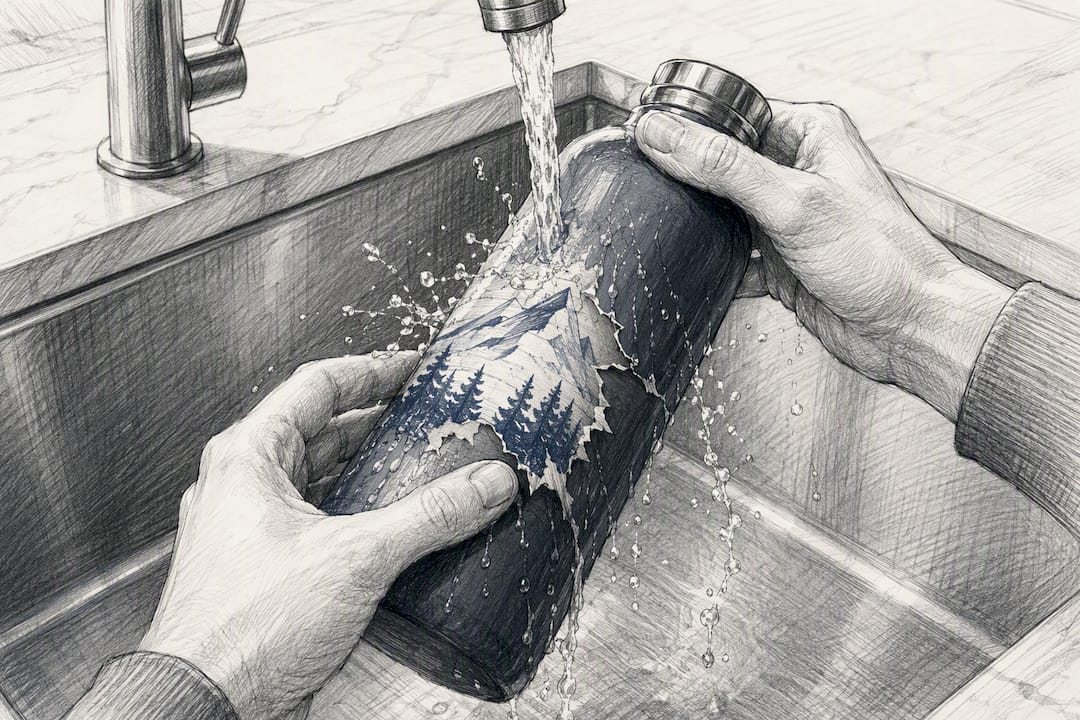
The two mistakes I see most often aren't complicated. Someone puts permanent vinyl on a wall they'll want bare again in six months, or they wash a tumbler an hour after applying vinyl instead of waiting out the cure window. Both are avoidable, and both come from treating "vinyl" as one product instead of two very different adhesive systems.
At Crispsign, material selection starts with the surface and the timeline, not the design file. We test film-to-surface combinations before committing to a production run, because a beautiful design on the wrong adhesive is still a failed job.
The pattern holds across every project size: respect the adhesive chemistry, and the graphic behaves exactly like the label promises.
— Nick
Get Professional-Grade Vinyl Without the Guesswork
Crispsign builds the exact projects this guide covers: custom window and wall vinyl graphics, vehicle wraps and cut decals, and removable magnets, all designed online and shipped ready to install. If you've read this far and you're still unsure whether your storefront window needs permanent film with UV laminate or a removable seasonal graphic, that's exactly the call our production team makes daily.
DIY works fine for a small tumbler batch or a single apartment wall. It gets riskier fast once you're covering a storefront window, wrapping a fleet vehicle, or ordering enough material that a bad surface-energy guess turns into a costly reprint. For those jobs, Crispsign fabricates to spec and coordinates professional installation so the adhesive, film type, and surface actually match before anything ships. If you're comparing large-scale printing setups for future runs, equipment suppliers like GOM Shop are worth a look too. Start your project and get a custom quote at Crispsign.
Key Takeaways
Removable vinyl uses a low-tack adhesive built for clean release, while permanent vinyl uses a high-tack adhesive that cures stronger over 24 to 72 hours, and matching that adhesive to the right surface and timeline prevents nearly every common failure.
| Point | Details |
|---|---|
| Match adhesive to timeline | Removable suits weeks to months; permanent suits multi-year outdoor or wash-heavy use. |
| Respect the cure window | Wait 24 to 72 hours before washing or heavily handling permanent vinyl. |
| Test surface energy first | Use the water-bead test on glass, plastic, or masonry before full production. |
| Remove with the right method | Peel removable vinyl slowly; use heat plus alcohol or remover for permanent vinyl. |
| Order production-grade vinyl | Crispsign fabricates and coordinates installation for storefront, vehicle, and window vinyl projects. |
Sources
FAQ
How Long Will Removable Vinyl Last?
Indoors and out of direct sun, removable vinyl typically stays cleanly removable for up to 12 months, though heat and UV exposure shorten that window and can cause the adhesive to bond more permanently than intended.
Why Would You Use Removable Vinyl Instead of Permanent?
Removable vinyl works when you need a graphic to come down later without damaging paint or leaving residue, such as rental walls, seasonal window promotions, or design mockups before committing to a permanent install.
Does Removable Vinyl Come Off Easily?
Yes, when removed within its rated window: peel slowly at a low angle and it should release clean, but leaving it too long in heat or direct sun can make it act more like permanent vinyl.
What Surfaces Will Permanent Vinyl Not Stick To?
Permanent vinyl struggles on low-surface-energy materials like certain plastics, silicone, and some powder-coated finishes, and it should never go on unsealed or unpainted drywall without a primer designed for that surface.