Storefront Sign Materials Comparison: Durability & Cost
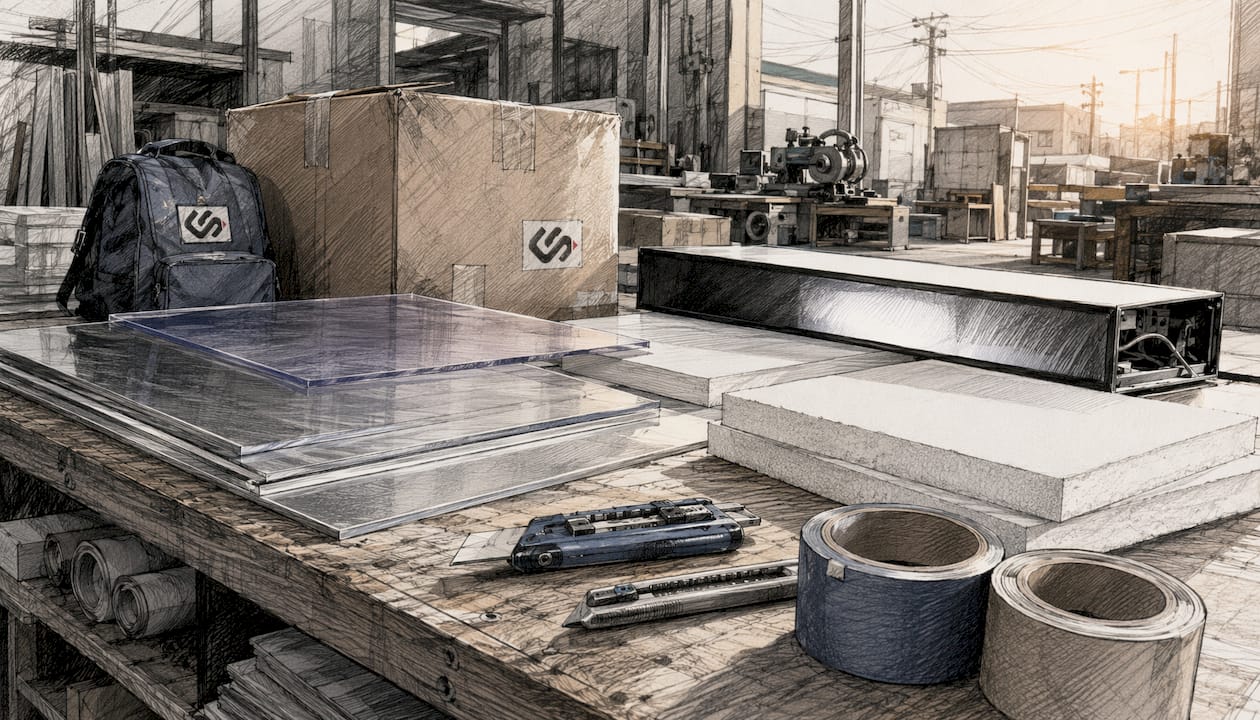
For short-term events, corrugated plastic (Coroplast) is your best pick. For mid-term indoor or sheltered retail use, foam-PVC or cast acrylic delivers the right balance of finish and longevity. For permanent outdoor storefronts, aluminum composite material (ACM) or routed metal letters are the professional standard. Here's the fast breakdown before you dive deeper:
- Best short-term: Corrugated plastic (Coroplast/Corflute). Lightweight, waterproof, and low-cost for events and short campaigns. Typical outdoor lifespan runs 3–18 months, depending on UV exposure and ink/laminate quality.
- Best mid-term/indoor: Foam-PVC (Forex) for retail interiors and sheltered storefronts; cast acrylic for lobby panels and lit displays that need a premium finish.
- Best permanent/outdoor: ACM panels or routed stainless/bronze letters. Both resist rust and UV, with ACM offering a realistic outdoor lifespan of 7–10+ years, and metal letters lasting 15–25+ years.
Two quick qualifiers before you order anything: first, verify local zoning rules and your lease terms, because some jurisdictions cap sign area or ban internal illumination outright. Second, the cheapest material upfront is rarely the cheapest over five years once you factor in replacement cycles and installation labor.
Table of Contents
- How do common storefront sign materials compare side by side?
- What you need to know about each sign material
- How weather, site, and lighting conditions shape your material choice
- Upfront cost vs. lifecycle cost for storefront sign materials
- When do specialty substrates make sense?
- How to choose the right sign material: a step-by-step checklist
- Key Takeaways
- What fabricators wish you asked before ordering
- Crispsign takes the guesswork out of material selection
- Useful sources
- FAQ
How do common storefront sign materials compare side by side?
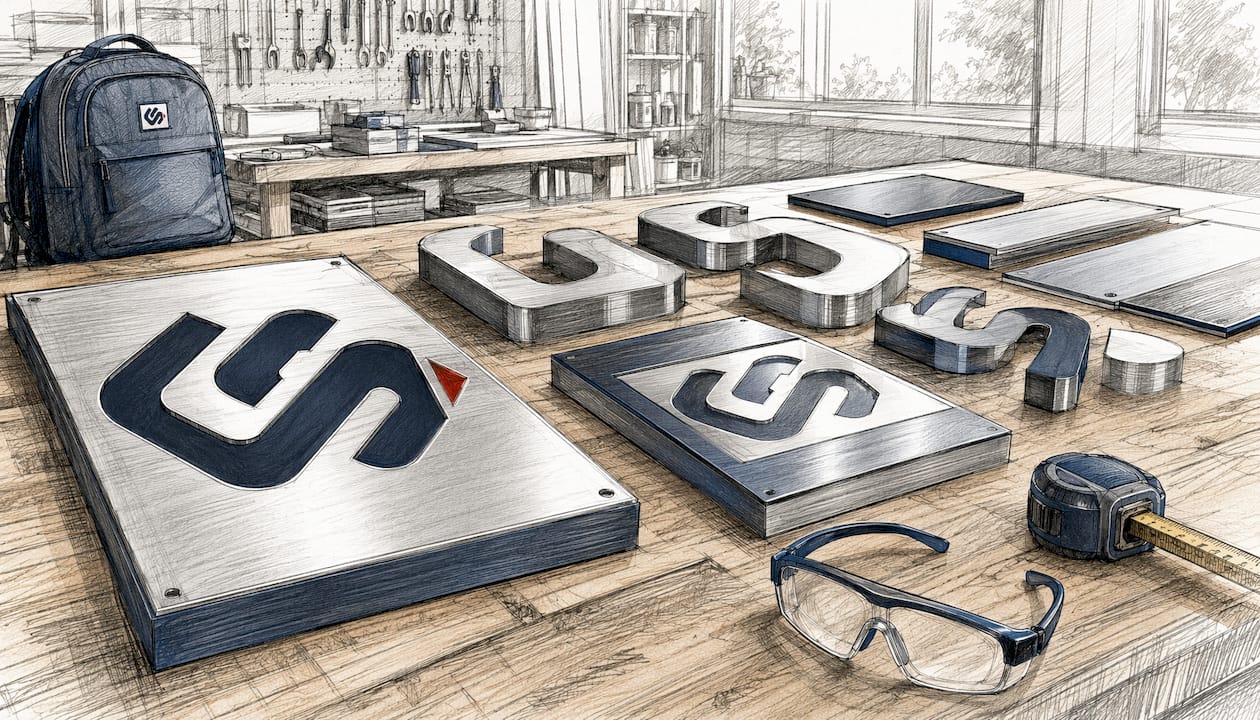
The table below covers the eight materials you'll encounter most often. Use it to short-list two or three candidates, then read the deep dives in the next section to confirm your choice.
| Material | Lifespan | Best For | Weather Resistance | Typical Cost | Maintenance | Finish Options | Install Weight/Complexity |
|---|---|---|---|---|---|---|---|
| Corrugated plastic (Coroplast) | Short-term | Events, short campaigns, real estate | Low UV tolerance; waterproof | Very low | Replace when faded | Digital print, vinyl overlay | Ultra-light; H-stake or tape |
| Foam-PVC (Forex) | Mid-term indoor | Retail interiors, sheltered storefronts | Not for direct outdoor exposure | Low–mid | Wipe clean; avoid moisture | Digital print, paint, routed edges | Light; adhesive or standoffs |
| Foamboard (paper-faced) | Under 1 year | Indoor trade shows, temporary displays | Indoor only | Very low | Fragile; replace often | Digital print | Very light; easel or tape |
| Cast acrylic | Mid-term indoor | Lobby panels, lit channel letters, interior ID | Good indoors; yellows outdoors unless UV-stabilized | Mid–high | Dust; avoid abrasives | Painted, routed, backlit, polished edge | Moderate; standoffs or flush mount |
| ACM / aluminum composite | Long-term outdoor | Permanent storefront panels, fascia signs | Excellent: UV, water, wind, salt | Mid–high | Annual cleaning; inspect fasteners | Digital print, vinyl, painted, routed | Heavy; professional install required |
| Routed/laser-cut metal letters | Long-term outdoor | Premium storefronts, high-end retail, monuments | Excellent with powder coat or marine finish | High–premium | Inspect coating; touch up rust spots | Powder coat, brushed, polished, patina | Heavy; anchors, standoffs, structural check |
| Wood / HDU / plywood | Moderate lifespan (varies by species and finish) | Boutique, heritage, carved dimensional signs | Moderate; needs sealing and repainting | Mid | Repaint periodically; inspect for rot | Carved, painted, gilded, routed | Moderate; mounting hardware varies |
| Vinyl banners / textiles | Short-term outdoor | Events, grand openings, temporary facades | Good short-term; hems and grommets extend life | Very low–low | Replace grommets; store flat | Full-color digital print, dye-sub | Very light; rope, bungee, or frame |
Quick-pick callouts:
- Best budget temporary: Corrugated plastic. Nothing beats the cost-per-sign for short-term events or campaigns.
- Best premium permanent: ACM panels with routed metal letters. The combination gives you a flat, rust-resistant face with dimensional depth.
- Best indoor lobby finish: Cast acrylic or foam-PVC with a UV-printed face and standoff mounting.
What you need to know about each sign material
Corrugated plastic (Coroplast/Corflute)
Corrugated plastic is a twin-wall polypropylene sheet, typically 4mm thick, with a fluted core that keeps it rigid while staying light. It's the go-to for real estate boards, election signs, and event wayfinding because it's waterproof, printable on both faces, and cheap enough to treat as disposable. Outdoor lifespan runs 3–18 months depending on UV exposure and whether UV-resistant inks or a laminate were applied. The main failure mode is UV embrittlement: the polypropylene becomes chalky and cracks at the flute walls, usually starting at the edges. For outdoor use beyond one season, plan for replacement in line with its 3–18 month typical lifespan.
Foam-PVC (Forex)
Foam-PVC is an expanded PVC sheet with a smooth, paintable surface. At 3mm–10mm thickness, it's light enough to mount with adhesive but rigid enough to hold routed edges cleanly. Indoors, it holds up well for 2–5 years and takes digital UV print beautifully. The catch: prolonged direct sun causes the surface to warp and the color to fade, so it belongs in sheltered or interior applications. It's a strong mid-tier choice for retail wall graphics, menu boards, and interior wayfinding.
Foamboard (paper-faced)
Standard foamboard (polystyrene core, paper faces) is strictly an indoor, short-duration substrate. It dents, absorbs moisture, and delaminates quickly. Use it for trade show displays, temporary lobby announcements, or presentation boards where you need a flat, lightweight surface for a day or a week. Never specify it for anything that needs to survive more than a few weeks or any humidity.
Cast acrylic
Cast acrylic gives you a glass-like surface that holds color and polished edges far better than extruded acrylic. Indoors, it lasts 5–10+ years and works well for backlit channel letters, lobby ID panels, and dimensional logos. Outdoors, standard acrylic yellows and becomes brittle unless it's UV-stabilized. For exterior use, specify UV-stabilized grades or protect it under a canopy. Weight is moderate, so standoff mounting with threaded inserts is the standard approach.
ACM / aluminum composite material
ACM (sold under names like Dibond) is two thin aluminum skins bonded to a polyethylene core. It's flat, lightweight for its rigidity, and resists rust, UV, and salt air far better than raw aluminum sheet. Outdoor lifespan reaches 7–10+ years with proper fabrication, according to industry standards. The face accepts direct digital print, vinyl graphics, or painted finishes. Edges should be finished and sealed to prevent moisture intrusion at the core. Because ACM panels for a full storefront fascia can weigh 15–25 lbs or more, professional installation with anchored standoffs is standard. This is the material most fabricators default to for permanent outdoor panels.
Routed and laser-cut metal letters
Stainless steel, aluminum, and bronze letters are the premium tier. Properly powder-coated or finished with a marine-grade coating, they last 15–25+ years with minimal maintenance. They're heavy, require anchors or welded studs, and often need a structural check of the mounting substrate. The payoff is a dimensional, high-end look that no flat panel replicates. Brushed stainless with halo LED backlighting is the current standard for upscale retail and restaurant storefronts.
Wood, HDU, and plywood
Solid wood and high-density urethane (HDU) foam are the materials of choice for carved, dimensional signs with a heritage or boutique aesthetic. HDU machines like wood but doesn't rot or warp, making it the smarter outdoor choice. Raw plywood is the budget option but requires thorough sealing, priming, and repainting every 2–4 years. Lifespan ranges from 3 years for unprotected plywood to 10+ years for properly sealed HDU. Weight varies widely; large carved signs may need a structural mounting plan.
Vinyl banners and textiles
Vinyl banners (13 oz. scrim vinyl is the standard weight for outdoor use) are the fastest and cheapest way to cover a large area. Full-color digital print, reinforced hems, and brass grommets are standard. Outdoor lifespan is 1–3 years before UV fading and hem wear become visible. Fabric dye-sublimation banners offer a softer look for trade shows and interior retail, with vivid color that doesn't crack. Neither is a substitute for a permanent sign, but both are hard to beat for grand openings, seasonal promotions, and event facades.
How weather, site, and lighting conditions shape your material choice
Your site conditions can eliminate half the materials on the comparison table before you even look at price. Work through this checklist before you finalize a substrate:
- UV exposure: High-UV climates (Southwest, Florida) accelerate fading and embrittlement in corrugated plastic and standard acrylic. Specify UV-stabilized materials or UV-cured inks with a protective laminate for anything outdoors in these regions.
- Direct water and freeze-thaw cycles: Standing water at fastener points causes ACM core delamination and wood rot. In freeze-thaw climates, expansion and contraction stress any substrate with trapped moisture. Sealed edges and drainage gaps in the mounting design matter.
- Wind loading and uplift: Large flat panels act as sails. A 4' × 8' ACM panel in a high-wind zone needs engineered attachment points, not just adhesive. Check your local building code's wind-load requirements before specifying panel size.
- Coastal salt air: Salt accelerates corrosion on raw aluminum and steel fasteners. Specify marine-grade powder coat, stainless hardware, and sealed ACM edges for any coastal installation.
- Abrasion and vandalism risk: High-traffic urban locations benefit from anti-graffiti laminates over printed faces. Protective finishes like powder coat and UV-cured clear coats extend visual life significantly in abrasive environments.
- Sheltered vs. exposed installation: A sign under a deep canopy can use foam-PVC or standard acrylic where an exposed sign would require ACM. Don't over-specify for a sheltered location, but don't under-specify for an exposed one.
Pro Tip: Before you order, walk the site at the time of day when sun hits the sign face directly. Note the orientation, any nearby reflective surfaces, and whether the mounting wall is masonry, wood framing, or metal stud. That 10-minute site check can save you from a mounting failure or a material mismatch.
Always confirm sign rules with your landlord and local zoning office before fabrication. Illuminated signs, projecting signs, and oversized panels often require permits, and some leases prohibit certain sign types entirely.
Upfront cost vs. lifecycle cost for storefront sign materials
Raw material price is only part of the budget. Here's how the numbers actually stack up across the full project lifecycle.
Typical cost bands by material
| Material | Upfront Cost Band | Typical Lifespan | Notes |
|---|---|---|---|
| Corrugated plastic | Under $50–$150/panel | Short-term lifespan | Replace multiple times per year in high-UV locations |
| Vinyl banner | Under $100–$300 | 1–3 years | Low install cost; grommets and hardware extra |
| Foam-PVC (interior) | $100–$400/panel | Mid-term lifespan | Includes print; professional mount adds cost |
| Cast acrylic (interior) | $200–$700 | Mid-term lifespan | Standoff hardware and backlit options add cost |
| ACM storefront panel | $500–$2,500 installed | Long-term lifespan | Professional install required |
| Primary storefront sign | $2,300–$3,400 average | Varies by material | Illuminated or complex installs can be significantly more costly |
| Routed metal letters | $1,500 and up | Long-term lifespan | Structural check, anchors, and electrical add cost |
| Large pylon/monument | High-cost | Long lifespan | Engineering, permits, and crane work included |
Lifecycle cost example
A corrugated plastic panel at $80 installed, replaced within its typical 3–18 month lifespan (for example, every 18 months), costs roughly $320 over five years for that one sign location, not counting the labor to swap it. An ACM panel at $800 installed lasts the same five years with one cleaning per year and a fastener check. The ACM costs 2.5× more upfront but the same or less over the full period, and it looks professional the entire time. Repeated replacement cycles erase the initial savings of a cheap substrate faster than most buyers expect.
Hidden costs to budget for
- Permits and engineering: Illuminated signs, projecting signs, and large wall signs often require a permit ($150–$800+ depending on jurisdiction) and sometimes a structural engineer's letter.
- Landlord approval: Many commercial leases require written landlord sign approval before fabrication. Factor in 2–4 weeks for this process.
- Electrical work: Backlit channel letters and LED cabinet signs need a licensed electrician. Budget $300–$1,200 for a standard connection.
- Lift or crane charges: Signs above 12–15 feet typically require a lift or boom truck, adding $400–$1,500 to the install cost.
- Removal and disposal: When you vacate, you may be required to remove and patch the mounting surface. Budget for this from day one.
Maintenance checklist:
- Clean sign faces monthly with mild soap and water; avoid abrasive pads on acrylic or printed faces.
- Inspect fasteners and standoffs annually for corrosion or loosening.
- Check LED modules every 12–18 months; replace failed tubes before moisture enters the cabinet.
- Repaint or reseal wood and HDU signs every 2–4 years.
- Apply a fresh UV-protective clear coat to high-UV outdoor prints every 2–3 years.
When do specialty substrates make sense?
Most storefronts don't need specialty materials. But a few situations call for something beyond the standard eight.
- Porcelain enamel: Baked-on glass coating over steel. Virtually indestructible outdoors, with color that lasts 50+ years. Used for heritage storefronts, transit signage, and high-end retail. Expensive and requires a specialist fabricator.
- ADA-rated polymers: The Americans with Disabilities Act requires specific tactile letter heights, Grade 2 Braille, and non-glare finishes for interior directional signs. Photopolymer and raster-engraved acrylic are the two standard ADA-compliant substrates. These are not interchangeable with standard acrylic or foam-PVC for ADA applications.
- Backlit LED modules and diffusers: Polycarbonate or acrylic diffuser panels paired with LED strips create the illuminated cabinet or halo-lit letter effect. Polycarbonate is tougher than acrylic for exterior backlit applications. Electrical connection and a UL-listed power supply are required.
- Fabric dye-sublimation banners: Soft-fabric prints on polyester for trade show displays, retail hanging banners, and interior brand walls. Color is vivid and doesn't crack like vinyl. Not suitable for outdoor permanent use.
- Magnetic sheets: Thin flexible magnets with a printed face, used for vehicle graphics and temporary indoor displays on metal surfaces. Easy to reposition; not a substitute for a permanent sign.
- Modular display systems: Aluminum extrusion frames (SEG, snap frames) that accept fabric or rigid inserts. Common in retail and trade show environments where graphics change seasonally. The frame is a capital investment; inserts are the recurring cost.
For ADA signage and any illuminated exterior sign, a local fabricator with permit experience is not optional. These applications involve code compliance and electrical work that require licensed professionals.
How to choose the right sign material: a step-by-step checklist
Work through these questions in order. By the time you reach step 7, you'll have a short list of two or three materials and a clear brief for your fabricator.
- Define the use case. Is this a permanent storefront ID, a temporary event sign, an interior lobby panel, or a seasonal promotion? The answer immediately eliminates most materials.
- Confirm the exposure. Will the sign be fully exposed outdoors, sheltered under a canopy, or entirely indoors? Outdoor exposed signs need ACM, metal, or UV-stabilized acrylic. Indoor signs open up foam-PVC, standard acrylic, and foamboard.
- Check your site conditions. Note UV intensity, wind exposure, salt air, and freeze-thaw risk. High-UV or coastal sites require UV-stabilized materials and marine-grade hardware.
- Set a realistic budget. Include fabrication, installation, permits, and a 5-year maintenance estimate, not just the panel price. A $500 ACM sign installed correctly beats a $100 Coroplast sign replaced multiple times within its 3–18 month lifespan.
- Confirm permitted size and illumination. Check zoning rules and your lease before specifying dimensions or lighting. An illuminated sign that can't be permitted is wasted fabrication cost.
- Choose your finish and appearance. Flat digital print, dimensional routed letters, backlit faces, or carved wood each require a different substrate. Match the material to the finish, not the other way around.
- Plan the installation. Know your mounting substrate (masonry, wood stud, metal frame), the sign's weight, and whether you need a lift. Weight per square foot affects attachment method and labor cost significantly.
Questions to ask your fabricator
- What substrate and ink system are you specifying, and why for this location?
- What's the expected lifespan with normal maintenance?
- Who pulls the permit, and is that included in the quote?
- What's the warranty on materials and labor?
- What attachment method are you using, and has the mounting substrate been assessed?
Red flags that should stop an order
- No site survey before quoting.
- No written warranty on materials or installation.
- Vague or verbal-only install plan with no hardware spec.
- Fabricator can't confirm who is responsible for pulling permits.
- Quote doesn't itemize installation, hardware, or electrical separately.
Key Takeaways
ACM and routed metal letters are the only materials that reliably deliver 7–10+ years of outdoor performance for a permanent storefront, while corrugated plastic remains the most cost-effective choice for short-term events and campaigns, with a typical outdoor lifespan of 3–18 months.
| Point | Details |
|---|---|
| Match material to lifespan | Corrugated plastic lasts 3–18 months outdoors; ACM lasts 7–10+ years; metal letters 15–25+ years. |
| Lifecycle cost beats sticker price | An ACM panel at $800 installed often costs the same or less than replacing a $80 Coroplast panel every 18 months over five years. |
| Site conditions eliminate options | UV, salt air, freeze-thaw, and wind loading rule out corrugated plastic and standard acrylic for exposed outdoor permanent use. |
| Permits and installation are real costs | Illuminated signs, large panels, and projecting signs often require permits ($150–$800+) and licensed electricians or lift equipment. |
| Crispsign for fabrication-to-install | Crispsign handles site surveys, material selection, fabrication, and installation for permanent and interior storefront signage. |
What fabricators wish you asked before ordering
Most material mistakes happen before fabrication even starts. The client picks a substrate based on price, skips the site survey, and calls back six months later wondering why the sign is warping or the fasteners are rusting.
The single most common error: specifying corrugated plastic for a location that needs a sign for two or more years. It's a fine material for its intended purpose, but with an outdoor lifespan of 3–18 months, it's not a budget version of ACM. They solve different problems. Similarly, foam-PVC is a great indoor substrate, but it gets specified for exposed outdoor applications regularly, and it fails within a season.
A few things worth asking every fabricator, regardless of project size:
- Are UV-cured inks or a UV-protective laminate included, or are those add-ons? Surface finish choices matter as much as substrate selection for long-term appearance.
- What's the fastener spec? Stainless hardware costs a little more and lasts dramatically longer in humid or coastal climates.
- What's your realistic lead time? Quality ACM fabrication with professional installation typically runs 2–4 weeks from approved artwork. Vinyl banners and Coroplast can turn in 3–5 business days. Don't let a tight deadline push you into the wrong material.
Warranties are another underasked topic. A reputable fabricator should offer at least a 1-year workmanship warranty on installation and be able to point you to the substrate manufacturer's material warranty (ACM manufacturers typically offer 10-year finish warranties on commercial-grade panels). If a fabricator can't answer the warranty question clearly, that's a signal worth heeding.
Crispsign takes the guesswork out of material selection
Picking the right substrate is only half the job. Getting it fabricated correctly, permitted, and installed so it actually lasts is where most small business owners run into trouble. Crispsign handles the full process: site survey, material recommendation, fabrication, permit coordination, and professional installation. Whether you need a permanent ACM storefront panel, a premium lobby or ADA sign, or a fast-turn event package, Crispsign delivers quality-made signage fabricated to spec with clear timelines and written warranties.
No guessing on materials, no surprise permit fees, and no vague install plans. Get a quote from Crispsign and know exactly what you're getting before fabrication starts.
Useful sources
The findings and cost ranges in this article draw from the following sources. Keep permit approvals, site survey notes, and fabricator warranties on file after your sign is installed.
- How long do yard signs last? — YardSigns: Lifespan data for corrugated plastic under real outdoor conditions, including UV and weather variables.
- Sign Material Guide — Paperlust Print Shop: Comparative lifespan and weight data for ACM, acrylic, and foam-PVC; sourced from an Australian print shop but the material science applies universally.
- How to Choose a Storefront Sign — Fit Small Business: Cost ranges for primary storefront signs, from simple window lettering to complex illuminated installs.
- Store Signs: Materials, finishes, illumination — Safety Decals: Practical guidance on finish choices, protective coatings, and illumination options and their effect on maintenance.
- Colorado zoning guidance — Colorado Registered Agent: Example of municipal sign restrictions; always verify with your own local zoning office and landlord before ordering.
- Printing for Businesses, Events, Schools, and Teams: Practical overview of economical materials for events and short-run campaigns.
- Choosing the Right Sign Material — Vanderbilt Printing Services: Institutional guidance on substrate selection by application type.
- Crispsign Lobby and ADA Signage: Crispsign's interior and ADA sign options for businesses needing compliant, premium lobby signage.
Keep your permit approval documents, landlord sign consent letters, and fabricator warranty paperwork in a single folder. You'll need them if you ever repaint, replace, or remove the sign.
FAQ
What is the best material for permanent storefront signs?
ACM (aluminum composite material) is the industry standard for permanent outdoor storefront panels, offering a realistic outdoor lifespan of 7–10+ years with excellent resistance to UV, water, and salt air. For a premium dimensional look, routed stainless steel or aluminum letters last 15–25+ years with proper powder-coat finishes.
What are storefront signs typically made of?
Most permanent storefront signs use ACM panels, routed metal letters, or cast acrylic faces for channel letters. Temporary and event signs are most commonly made from corrugated plastic (Coroplast) or vinyl banners.
Are metal or plastic signs better for outdoor use?
Metal signs, particularly powder-coated aluminum or stainless steel, outperform plastic for long-term outdoor use because they resist UV degradation, corrosion, and physical impact far longer. Plastic substrates like corrugated polypropylene are better suited to short-term or budget applications where replacement is expected.
How big should a storefront sign be?
Sign size is governed by local zoning codes and your lease terms, so confirm both before specifying dimensions. As a general rule, lettering should be readable from the street at your location's typical viewing distance, with most primary storefront signs ranging from varying sizes depending on the building facade and permitted area.
How much does a quality storefront sign cost?
A primary storefront sign averages $2,300–$3,400 for a standard installation, with simple window lettering available at low cost and complex illuminated or monument signs costing significantly more. Always budget separately for permits, installation labor, and electrical work.