
Seasonal Signage Retail Branding Strategy That Works
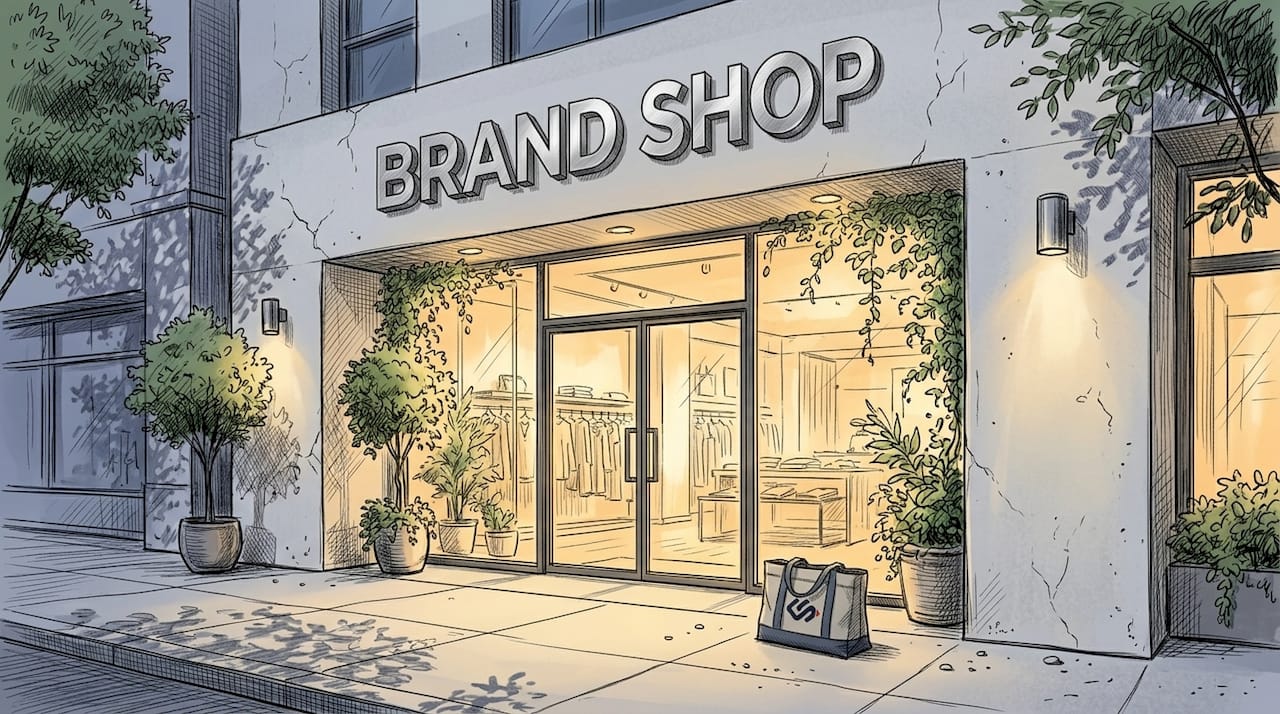
A seasonal signage retail branding strategy is defined as a planned system of visual displays that rotates around a permanent brand anchor to drive customer engagement during peak shopping periods. The industry term for this approach is "tiered signage planning," and it covers everything from channel letters on your facade to disposable window printables for a weekend flash sale. 76% of consumers are enticed to enter a store by attractive, dynamic signage. That single number explains why seasonal display planning is not a decorating exercise. It is a conversion tool.
Retail managers who treat signage as a branding system, rather than a series of one-off purchases, consistently outperform those who react to each season with a last-minute order. The framework is straightforward: anchor your store's identity with permanent signage, then layer in premium seasonal pieces and low-cost disposables around it. Crispsign builds exactly this kind of system for small and mid-sized retailers nationwide.
What are the essential components of a seasonal signage retail branding strategy?
Every effective tiered signage system has three layers. Each layer serves a different purpose and operates on a different budget cycle.
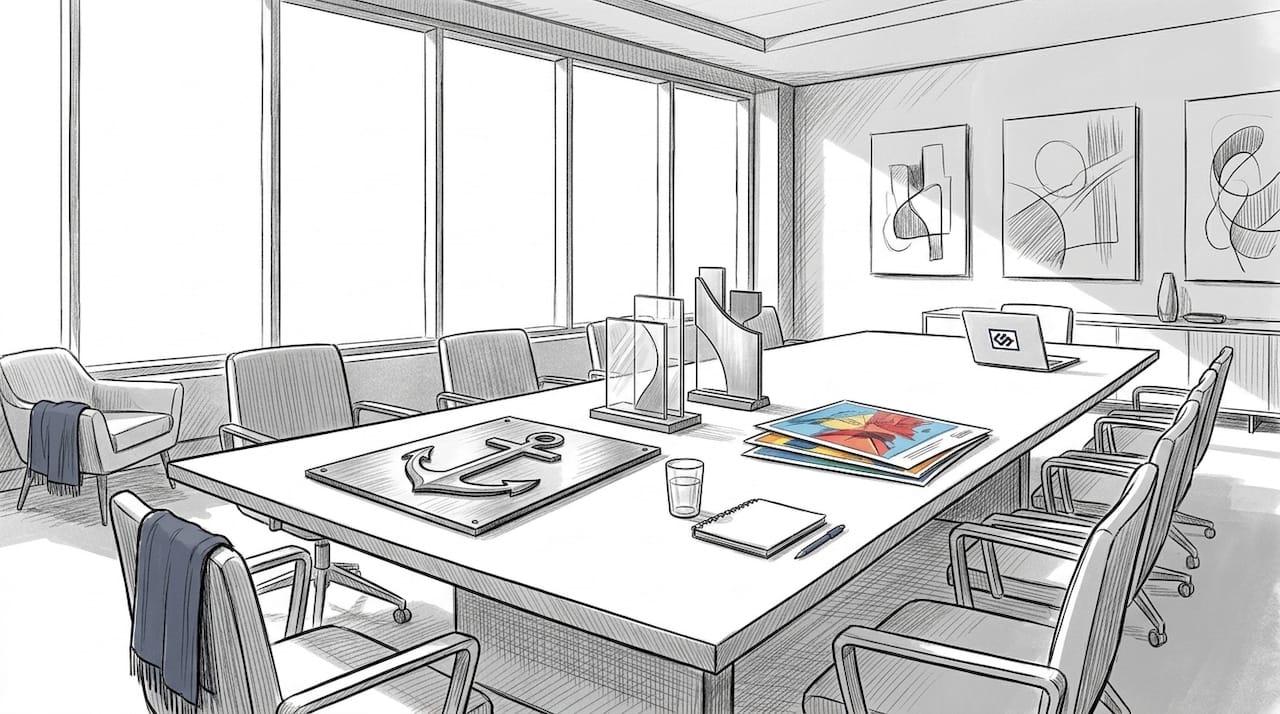
- Permanent anchor signage. Channel letters, dimensional logos, and metal panel signs define your brand identity year-round. They are the fixed point everything else rotates around. Signage in brand identity research confirms that permanent fixtures set customer expectations before anyone walks through the door.
- Premium seasonal pieces. Reusable acrylic frames, A-frame boards, and weather-resistant banners carry your seasonal theme. These are designed to last 2–3 years when stored correctly and kept free of specific dates.
- Disposable promotional printables. Window clings, paper posters, and foam board inserts support flash sales and time-sensitive offers. Their low unit cost makes them the right tool for short windows, not long campaigns.
- Digital signage (optional). Digital displays capture 400% more views than static displays and allow real-time content updates. That flexibility is valuable during fast-moving holiday weekends when pricing or inventory changes hourly.
The logic behind combining all four layers is budget efficiency. Your permanent anchor absorbs the largest upfront cost and never needs replacing. Your premium seasonal pieces pay for themselves over multiple years. Your printables absorb the cost of urgency without inflating your annual signage budget.
Pro Tip: Design your permanent anchor sign so it works as a photo backdrop. A photo-friendly backdrop that customers photograph and post on social media gives you free marketing every time a seasonal display goes up.
How to plan seasonal signage timing and content for maximum impact
Timing and content are the two variables most retail managers get wrong. Getting both right is what separates a signage program that drives sales from one that blends into the background.
- Roll out seasonal signage 2–3 weeks before peak events. Customers need time to notice, process, and plan a visit. A holiday window display that goes up the week of the event misses the consideration window entirely.
- Use the seasonal sales formula. Effective seasonal messaging follows a clear structure: Seasonal Theme plus Featured Product plus Clear Call to Action. "Summer Refresh. New Arrivals In-Store. Shop Before They're Gone." That is the formula in three lines.
- Align signage content with your broader marketing calendar. If your email campaign promotes a specific product category, your window signage should feature the same category. Disconnected messaging splits customer attention and reduces conversion.
- Use urgency and curiosity as your two primary content levers. Strong storefront messaging creates curiosity, communicates urgency, and delivers a benefit quickly. Passersby make a decision in seconds. Your sign has one job: stop them.
- Limit major content rotations to 2–4 times per year. More frequent changes train customers to ignore updates. Fewer changes let each rotation feel like an event.
The content formula works because it forces you to make a choice. You cannot fit a theme, a product, and a call to action on one sign without editing ruthlessly. That constraint produces clearer messaging, which produces better results.
Pro Tip: Write your seasonal sign copy before you design it. If the message does not work as plain text, a better font will not fix it.
What materials and formats work best for seasonal retail signage?
Material selection determines how long your signage investment lasts and how well it performs in your specific store environment. The table below maps common signage formats to their best use cases.
| Format | Best use | Durability | Reusable? |
|---|---|---|---|
| Metal panel / channel letters | Permanent brand anchor | 10+ years | Yes |
| Weather-resistant acrylic | Seasonal premium display | 3–5 years | Yes, if undated |
| A-frame board | Sidewalk or entry seasonal | 2–4 years | Yes |
| Digital display | Dynamic, real-time promotions | 5–7 years | Yes |
| Vinyl banner | Short-term outdoor seasonal | 1–2 seasons | Sometimes |
| Paper / foam board printable | Flash sales, weekly offers | Single use | No |
Reusable premium signage carries a higher upfront cost but delivers better value over 2–3 years compared to single-use printables. The key condition is proper storage. A scratched acrylic panel or a creased banner loses its visual authority immediately.
Outdoor environments demand weather-resistant materials. Acrylic and aluminum hold up against UV exposure and moisture far better than paper or foam board. Indoor environments give you more flexibility, but the same rule applies: match material quality to the duration of the campaign.
Pro Tip: Keep a dedicated storage system for reusable seasonal pieces. Label each item by season and check condition before every deployment. A damaged sign communicates the wrong thing about your brand.
How to measure the success of your seasonal signage campaigns
Measurement turns a signage program into a learning system. Without it, you repeat what feels right rather than what actually works.
- Track social media tagged posts. When customers photograph your signage and post it, that is organic reach with zero media spend. Count tagged posts during each rotation window and compare across seasons. A photo-worthy display generates measurable social lift.
- Measure foot traffic during rotation windows. Compare daily traffic counts for the two weeks before a signage update versus the two weeks after. A consistent lift confirms the rotation is working.
- Analyze average order value. Signage that features a specific product or category often lifts average transaction size, not just visit volume. Track this metric separately from foot traffic.
- Run simple photo tests. Photograph your storefront from 30 feet away. If you cannot read the key message clearly in the photo, neither can a passing customer. Adjust size, contrast, or placement before the campaign launches.
- Compare season over season. Year-over-year data is more reliable than week-over-week data for seasonal campaigns. Build a simple tracking sheet and update it after every rotation.
The most common measurement mistake is tracking only sales volume. Foot traffic and social engagement are leading indicators. They tell you whether your signage is working before the sales data confirms it.
What are common pitfalls in seasonal signage retail branding?
Most signage mistakes fall into one of three categories: over-rotation, design inconsistency, and treating signs as decoration rather than communication.
- Over-rotation desensitizes customers. Changing signage too frequently trains customers to ignore updates. Stick to 2–4 meaningful rotations per year. Each rotation should feel like news.
- Design inconsistency breaks brand trust. Seasonal signage that uses different fonts, colors, or logo treatments from your permanent anchor confuses customers. Every piece should look like it belongs to the same family. Review the common exterior sign mistakes that undermine brand credibility before your next campaign.
- Treating signage as decoration. A sign that only looks seasonal but communicates nothing specific does not convert. Every piece needs a message, a product reference, or a call to action.
- Poor storage logistics. Reusable seasonal pieces that are stored improperly arrive damaged and unusable. Designate a clean, dry storage space and inspect every piece before deployment.
- Siloed signage planning. Signage that does not align with your email campaigns, social posts, or staff messaging creates a fragmented customer experience. Build signage updates into your broader marketing calendar, not as an afterthought.
Pro Tip: Brief your floor staff on every signage rotation. Customers who ask about a seasonal display expect staff to know the details. A team that cannot answer questions undermines the sign's credibility.
Key Takeaways
A tiered seasonal signage system built around a permanent anchor delivers the highest return on investment when timing, content, and material selection are planned together rather than treated as separate decisions.
| Point | Details |
|---|---|
| Use a tiered signage system | Combine permanent anchors, reusable seasonal pieces, and disposable printables for maximum efficiency. |
| Follow the seasonal content formula | Theme plus featured product plus call to action produces clearer, higher-converting signage messages. |
| Time rotations 2–3 weeks early | Launching before peak events gives customers time to notice, plan, and visit your store. |
| Choose materials by campaign length | Reusable acrylics and A-frames pay off over 2–3 years; printables suit single-use promotions only. |
| Measure leading indicators | Track foot traffic and social posts during rotation windows, not just end-of-season sales totals. |
What I've learned from watching seasonal signage succeed and fail
The retailers I've seen get the most out of seasonal signage share one habit: they plan it like a campaign, not a chore. They know their rotation dates six months out. They brief their teams. They photograph their storefronts from the street before anything goes live.
The ones who struggle treat signage as the last item on the pre-season checklist. They order printables the week before a holiday, skip the permanent anchor investment because it feels expensive, and wonder why their window display does not move traffic. The math is simple. A permanent anchor sign amortizes over a decade. The seasonal pieces around it cost a fraction of what a single paid ad campaign costs, and they work 24 hours a day.
The insight that changed how I think about this: a well-designed permanent sign is not just branding. It is infrastructure. Everything seasonal you build around it gets more attention because the anchor gives it context and credibility. Without the anchor, seasonal signage looks temporary. With it, the whole display looks intentional.
The social sharing angle is also underused. Retailers spend real money on influencer posts and paid social, then put up a seasonal display that nobody photographs. Design your anchor sign to be worth photographing. Make the seasonal layer around it visually interesting enough that customers pull out their phones. That is earned media with no media buy attached.
— Nick
How Crispsign supports your seasonal retail signage program
Seasonal retail campaigns move fast. Your signage program needs to keep pace without sacrificing the quality that makes your brand look credible on the street.
Crispsign designs and builds permanent anchor signs, reusable seasonal display pieces, and custom storefront solutions fabricated to spec for small and mid-sized retailers. Every project goes through a production review before it ships, so what arrives at your store is ready to install, not ready to fix. If you are building out a tiered signage system or replacing a worn anchor sign before the next peak season, Crispsign's custom signage solutions cover the full range from channel letters to interior display panels. The production process is built for speed without cutting corners on material quality, so your seasonal windows stay on schedule.
FAQ
Why does seasonal signage matter for retail stores?
Attractive, dynamic signage influences 76% of consumers to enter a store. Seasonal signage refreshes that visual pull at the moments when shoppers are most motivated to buy.
How often should retailers rotate their seasonal signage?
2–4 meaningful rotations per year outperform monthly changes. More frequent rotations train customers to ignore updates rather than respond to them.
What is the best content formula for seasonal retail signs?
The proven formula is Seasonal Theme plus Featured Product plus Clear Call to Action. This structure forces a specific message and gives customers a reason to act, not just look.
How far in advance should seasonal signage go up?
Roll out seasonal signage 2–3 weeks before your peak sales event. This gives customers enough time to notice the display, plan a visit, and act before the promotion ends.
What signage materials offer the best long-term value?
Reusable acrylic and weather-resistant formats deliver better ROI over 2–3 years compared to single-use printables, provided they are stored correctly and designed without specific dates.