Startup Branding Signage Examples That Build Real Visibility
Startup branding signage consists of physical signs designed to visually represent a business's brand identity in public spaces, serving as a 24/7 marketing asset that works even when you're not there. The industry term for this category is brand identity signage, though founders commonly search for examples of startup branding signage when they're ready to make their first real impression. Signage is a strategic investment in building mental availability, not a line item to minimize. The right sign communicates your logo, color palette, and typography before a single word is spoken. This guide covers the most effective sign types, with practical advice on materials, placement, and performance tracking.
1. Examples of startup branding signage: vinyl banners
Vinyl banners are the most accessible entry point for startup signage. They print fast, install in minutes, and cost a fraction of permanent sign types. For a founder testing a new location or launching a pop-up, a well-designed vinyl banner delivers immediate brand presence without a long-term commitment.
The key to making vinyl banners work is design discipline. Consistent typography and color on startup signage increases brand recognition and customer recall. That means your banner font must match your logo typeface exactly, and your hex colors must be specified precisely in the print file.
Common use cases for vinyl banners include:
- Grand opening announcements at storefronts
- Outdoor event booths and trade show backdrops
- Seasonal promotions and limited-time offers
- Construction fence wraps during buildout phases
- Window coverage during interior renovations
The main drawbacks are durability and weather sensitivity. Vinyl degrades faster than acrylic or aluminum, especially in direct sun or high wind. Budget for replacement every 12–18 months if the banner stays outdoors.
Pro Tip: Always request a print proof before production. A color shift of even 10% between your brand file and the printed banner can undermine the professional look you're building.
2. Dimensional letter signs for a premium startup image
Dimensional letter signs, also called 3D letters, add physical depth to your brand name or logo on a wall or facade. Flat printed signs read as temporary. Dimensional letters read as permanent. That distinction matters when you're trying to build customer trust from day one.
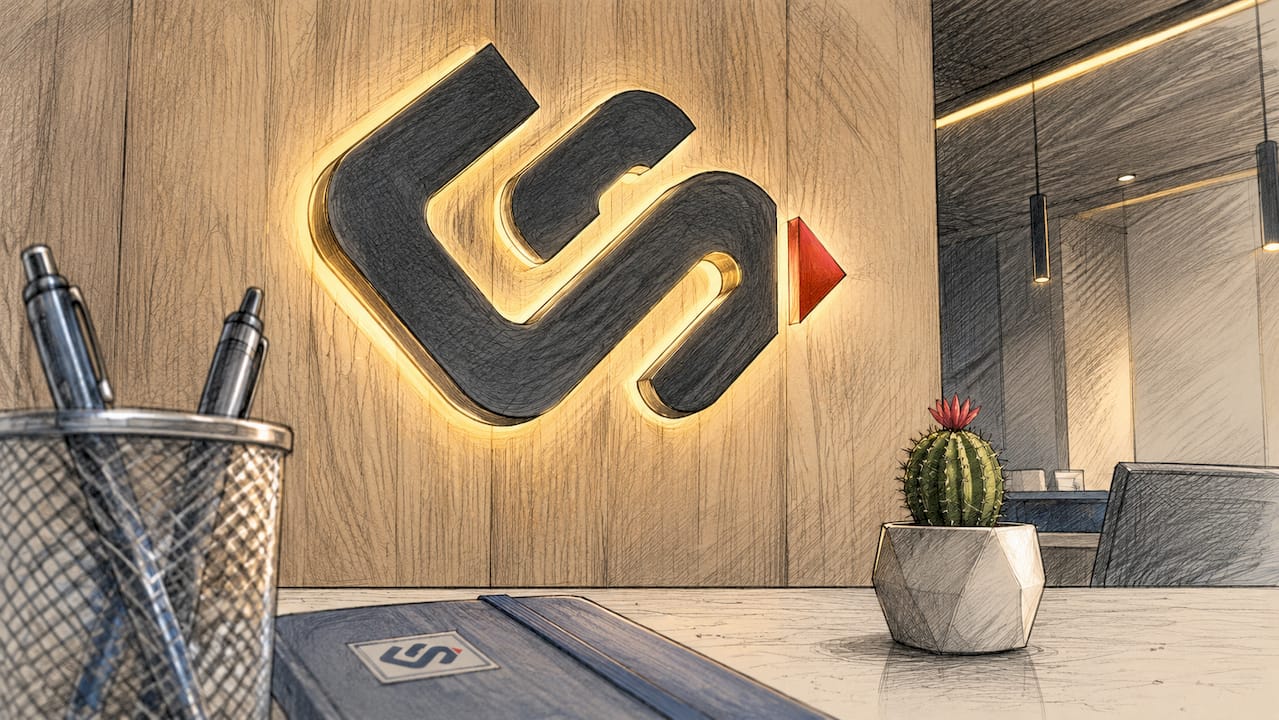
The two most common materials are foam and acrylic. Foam letters are lightweight and affordable, making them a practical choice for interior lobby walls. Acrylic letters cost more but deliver a cleaner, more polished finish that holds up better over time. Durable materials like acrylic and aluminum provide an ongoing positive brand impression, making signage a long-term marketing asset rather than a disposable ad.
Strong placement options for dimensional letters include:
- Exterior building facades above the entrance
- Reception area feature walls in offices
- Lobby installations behind front desks
- Conference room branding walls
- Retail interior brand statements
Illumination is an upgrade worth considering. LED backlighting behind acrylic letters creates a halo effect that reads well at night and in low-light interiors. The added visibility can justify the cost in high-traffic urban locations.
Pro Tip: Order a physical sample of your letter material before committing to full production. The difference between matte and gloss acrylic is dramatic in person, and the wrong finish can clash with your interior design.
3. Benefits of illuminated signage for startups
Illuminated signage extends your brand's visibility into evening hours and low-light environments where flat signs disappear. For startups in urban settings, a lit sign is often the difference between being noticed and being overlooked.
The three main types are LED channel letters, backlit panels, and halo-lit dimensional letters. Channel letters are individually fabricated and lit from within, giving each character a bright, defined glow. Backlit panels illuminate a printed graphic from behind, creating an even, diffused light. Halo lighting projects a glow onto the wall behind the letters, producing a softer, more upscale effect.
Tracking foot traffic changes after installing illuminated signage is a reliable way to measure its impact. Count walk-ins for two weeks before installation and two weeks after. The delta tells you what the sign is actually doing for your business.
Key considerations before buying illuminated signage:
- Confirm local permit requirements for illuminated exterior signs
- Calculate monthly power draw for LED versus neon options
- Plan for bulb or LED strip replacement every 3–5 years
- Match illumination style to brand personality (halo for premium, channel for bold)
- Verify landlord approval for exterior electrical work
Pro Tip: LED channel letters consume significantly less power than older neon alternatives and last longer. If your landlord restricts exterior signage, ask about interior window-mounted illuminated signs, which often fall outside permit requirements.
4. Temporary signage solutions for startups testing markets
Temporary signage is a strategic tool, not a budget compromise. During the MVP and early market-testing phases, modular signage like vinyl banners or A-frames serves as flexible branding scaffolding that adapts quickly to customer feedback before you commit to permanent installations.
A-frame sidewalk signs are the most versatile option. You can swap the message panel daily, making them ideal for cafes, retail shops, and service businesses that run rotating promotions. Vinyl wraps on windows or vehicles extend your brand footprint without construction or permits.
Common temporary signage types for startups:
- A-frame chalkboard or snap-frame signs for sidewalk placement
- Vinyl window graphics for storefronts and pop-up spaces
- Retractable banner stands for events and trade shows
- Magnetic vehicle signs for mobile service businesses
- Fabric tension displays for indoor brand activations
The one rule with temporary signage: do not use cheap materials on anything customer-facing. Wrinkled banners and faded vinyl signal that the brand is not serious. Investing in higher quality materials from the start prevents the fading and damage that undermine brand image.
Pro Tip: Add a QR code to every temporary sign and link it to a landing page with a specific offer. Tracking new customer acquisition through QR scans gives you hard data on which sign placements and messages actually drive conversions.
5. How custom signs differentiate startups from generic competitors
Custom signage transforms a startup from a commodity to a destination, enhancing perceived value and customer loyalty. That is not a marketing claim. It is a structural reality: when your sign looks like every other business on the block, customers have no reason to choose you on anything other than price.
Off-the-shelf signs use generic fonts, standard colors, and template layouts. Custom signs are fabricated to spec, meaning your exact logo typeface, your exact brand colors, and your exact proportions. The difference is visible from across the street.
A logo-only approach is limited. Startups should develop a full visual identity system, including typography, color logic, and layout behavior, so that signage integrates cohesively with web and marketing assets. A sign that matches your website header and your business card creates a unified brand experience that builds trust faster than any single touchpoint alone. Crispsign builds signs to match your exact brand specifications, so the sign your building wears reflects the same identity your customers see everywhere else.
The role of signs in startup branding goes beyond decoration. A well-executed custom sign is a physical proof point that the business is real, established, and worth trusting. That perception shapes purchase decisions before a customer ever walks through the door.
6. Comparison of startup sign types by cost, durability, and use case
Choosing the right sign type depends on your stage, budget, and location. The table below compares the four main categories across the factors that matter most to founders.
| Sign Type | Initial Cost | Durability | Visual Impact | Best Use Case |
|---|---|---|---|---|
| Vinyl banners | Low | 12–18 months outdoors | Moderate | Grand openings, events, promotions |
| Dimensional letters | Medium to high | 5–10 years | High | Storefronts, lobbies, reception areas |
| Illuminated signs | High | 7–10 years with LED | Very high | Urban storefronts, evening visibility |
| Temporary A-frames | Low | 2–4 years with care | Low to moderate | Sidewalk promotions, pop-ups, testing |
Early-stage startups with limited budgets get the most value from vinyl banners and A-frames during the testing phase. Once you validate your location and messaging, dimensional letters or illuminated channel letters become the right upgrade. The role of signs in brand launch is to build mental availability fast. Spending on permanent signage before you've confirmed your market fit is a common and costly mistake.
Key takeaways
The most effective startup signage strategy matches sign type to business stage, uses materials built to last, and tracks performance through foot traffic and QR code data.
| Point | Details |
|---|---|
| Match sign type to stage | Use vinyl banners and A-frames during testing; upgrade to dimensional or illuminated signs after validating location. |
| Custom beats generic | Signs fabricated to your exact brand specs build trust and differentiation that off-the-shelf options cannot replicate. |
| Maintenance is non-negotiable | Budget for sign upkeep; damaged or faded signage harms brand credibility more than no sign at all. |
| Track sign performance | Use QR codes and foot traffic counts before and after installation to measure real marketing impact. |
| Full identity system wins | Signage that matches your logo, web, and print assets creates a unified brand experience that accelerates customer trust. |
What I've learned about startup signage after years in the field
Most founders treat signage as the last item on the launch checklist. That is the wrong order. The sign your building wears is often the first brand impression a potential customer receives, and first impressions are expensive to correct.
The mistake I see most often is founders spending heavily on digital marketing while installing a $50 foam sign from a big-box store. The disconnect is jarring. A customer who finds you through a polished Instagram ad and then walks up to a crooked, faded sign does not feel reassured. They feel misled.
Damage or poor maintenance of signage harms brand credibility more than having no signage at all. That line should be in every startup's operating manual. A signage maintenance budget is not optional. It belongs in your P&L from day one.
My practical advice: start with the best temporary signage you can afford, track its performance rigorously, and reinvest in permanent signage once you know the location and messaging work. Skipping straight to expensive illuminated signs before you've validated foot traffic is a bet, not a strategy. Build the role of signage in brand identity into your broader visual system from the start, and the upgrade path becomes obvious and affordable.
— Nick
Crispsign builds startup signage that works as hard as you do
Your sign is not decoration. It is the physical proof that your brand exists, and it needs to perform every hour the building is visible.
Crispsign designs and builds custom startup signage fabricated to your exact brand specs, from lobby logo installations that make reception areas look established to vehicle decals that extend your brand beyond the storefront. Every sign ships with a product warranty so your investment is protected. Whether you need a vinyl banner for next week's grand opening or dimensional channel letters for your permanent facade, Crispsign delivers professional-grade results with fast turnaround. Get a quote and put a sign on your building that matches the quality of the work happening inside.
FAQ
What is startup branding signage?
Startup branding signage refers to physical signs that display a business's visual identity, including its logo, colors, and typography, in public or customer-facing spaces. These signs function as permanent marketing assets that build brand recognition and customer trust.
What is the most cost-effective sign type for a new startup?
Vinyl banners and A-frame signs offer the lowest entry cost and the most flexibility for startups in early testing phases. They allow quick message changes without the expense of permanent fabrication.
Why do logo signs matter for startups?
A logo sign is often the first brand touchpoint a potential customer encounters. Custom signs fabricated to spec signal professionalism and differentiate the business from generic competitors who compete only on price.
What is temporary startup signage?
Temporary startup signage includes A-frames, vinyl banners, retractable stands, and window graphics used during market testing or promotional periods. Modular signage lets founders adapt messaging quickly before committing to permanent installations.
How do I measure whether my startup signage is working?
Count walk-in traffic and inquiry volume for two weeks before and two weeks after installation. Adding a QR code linked to a specific offer gives you a direct conversion metric tied to the sign's performance.