What Is Backlit Sign Branding and How It Works
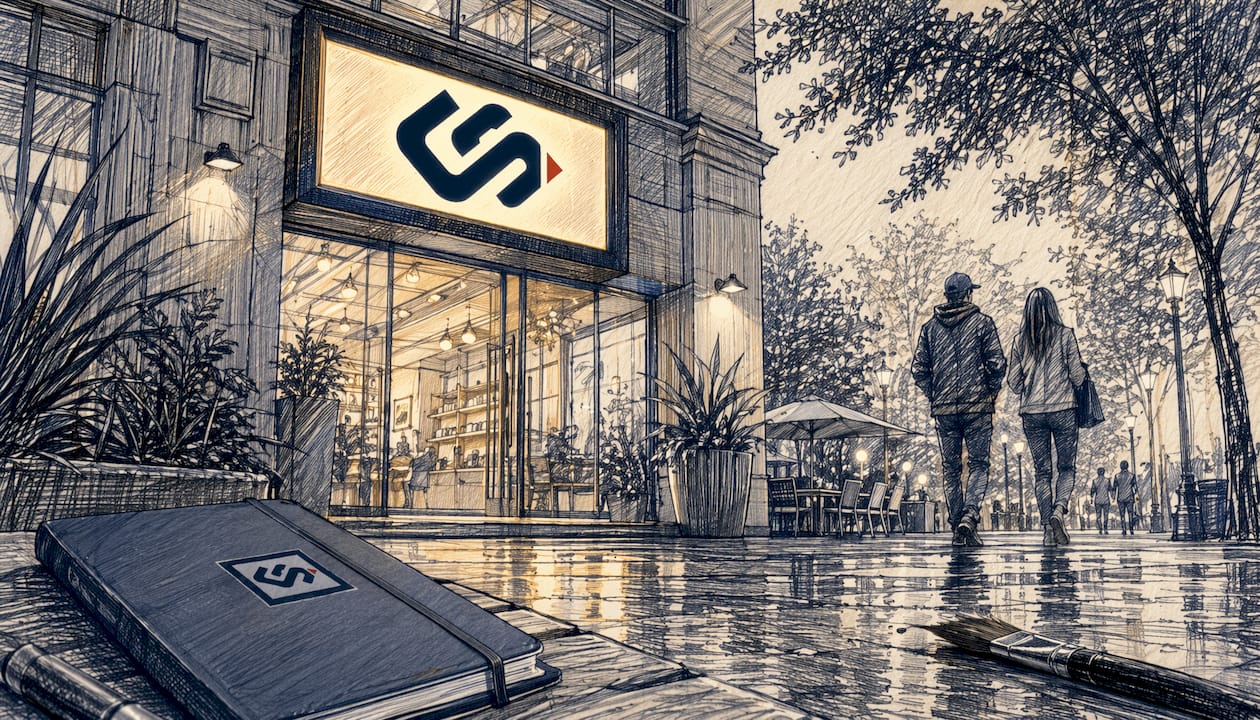
Backlit sign branding is defined as the use of internal LED lighting behind a translucent panel to illuminate a business logo, text, or graphic for consistent visibility day and night. The industry term for this format is illuminated signage, and it covers everything from lightbox panels to halo-lit channel letters. Backlit branding works independently of ambient light, meaning your storefront stays visible whether the sun is up or a storm rolls in. For business owners and marketing professionals, that around-the-clock presence is the core value proposition. Crispsign builds these signs to spec so the glow matches the brand, not just the building.
What is backlit sign branding and how does it work?
Backlit sign branding places an LED light source inside a sign cabinet, directly behind a translucent face panel. The panel material, typically acrylic, flex, or fabric, diffuses the light evenly so the graphic glows without hot spots or shadows. The result is a clean, uniform illumination that makes logos and text readable from a distance, even in direct sunlight.
The construction differs by sign type, but the core principle stays the same: light travels through the panel, not around it. Acrylic panels are rigid and scratch-resistant, making them the standard choice for permanent installations. Flex panels are thinner and roll up for shipping, which suits large-format displays. Fabric panels stretch over a frame and deliver a softer, more diffused glow, popular in retail and hospitality settings.
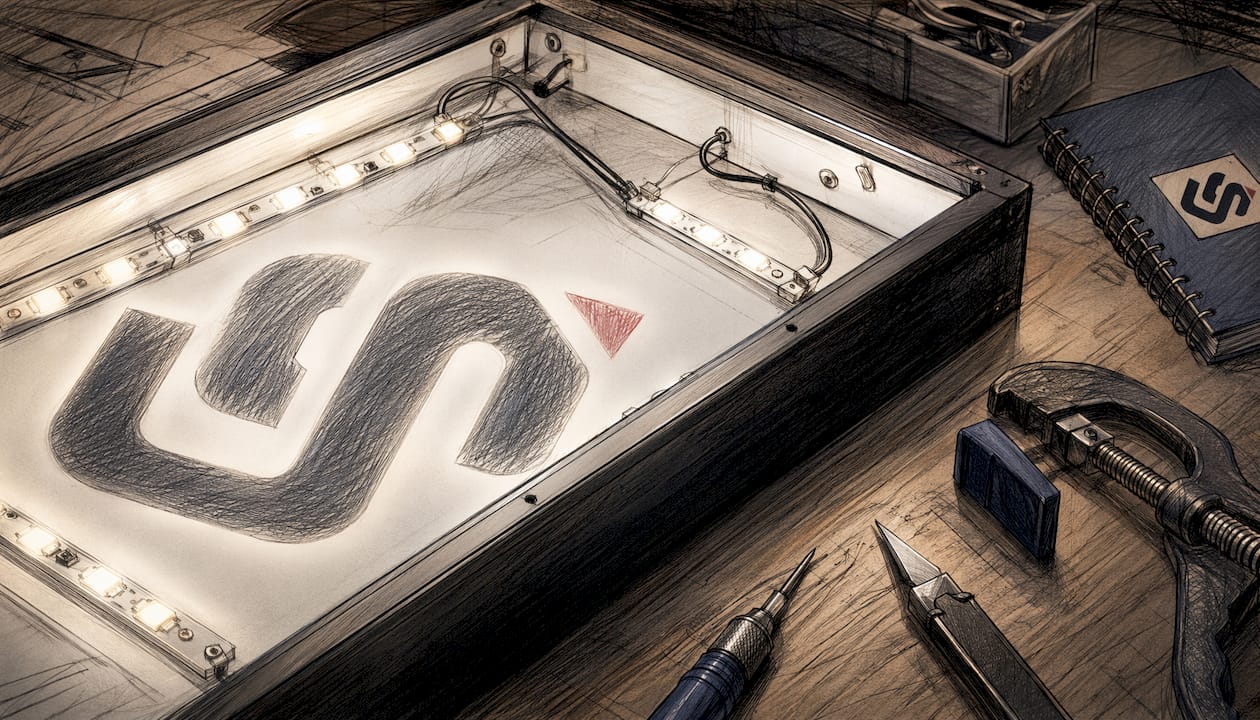
One distinction worth knowing: lightbox signs are static, meaning the graphic is fixed and the LED inside simply illuminates it. LED digital signs, by contrast, use pixel-based active displays to change content. Both use LEDs, but they serve different purposes. A lightbox is a set-and-forget branding tool. A digital LED screen is a content delivery system.
Pro Tip: Choose acrylic face panels for permanent outdoor installations. They resist UV yellowing and hold color accuracy far longer than flex alternatives in direct sunlight.
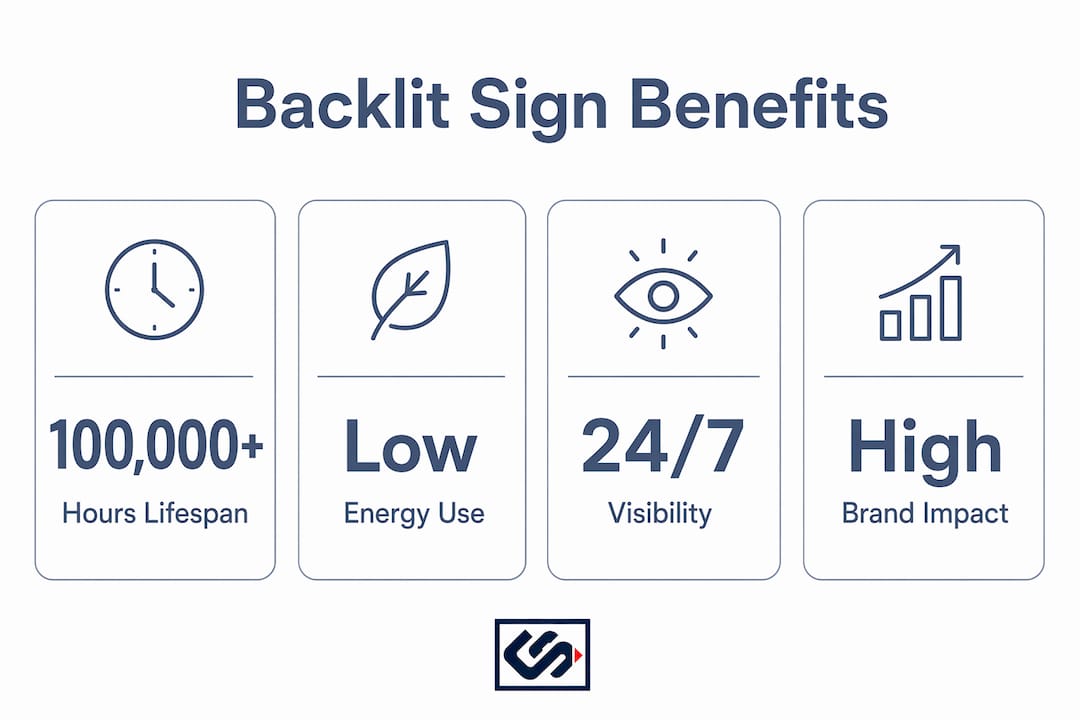
LED lighting inside these signs lasts up to 100,000 hours and consumes significantly less power than older neon or fluorescent alternatives. That lifespan translates to years of operation before any bulb replacement is needed. For a storefront sign running 12 hours a day, that is roughly 22 years of use.
What are the benefits of backlit sign branding for businesses?
Illuminated signage delivers marketing value that printed or digital ad campaigns cannot replicate at the same cost per impression. A sign on your building works every hour it is lit, with no recurring media spend.
24/7 visibility. Backlit signs stay visible day and night, in crowded areas and poor weather. That consistent presence builds brand recall without any additional effort from your team.
Higher brand recall. Backlit graphic displays can increase brand awareness and recall by up to 30% compared to non-illuminated signage. Humans are instinctively drawn to light, which gives illuminated signs a natural attention advantage in busy retail environments.
Lower long-term cost. Illuminated signage shifts your advertising from high-maintenance campaigns to a set-and-forget solution with minimal upkeep. Once installed, the sign runs without staff involvement, media buying, or content updates.
Energy efficiency. Modern LED backlit signs consume far less electricity than neon or fluorescent predecessors. That reduction in power draw lowers your monthly utility bill and supports sustainability goals without sacrificing brightness.
Improved safety and security. Backlit signs illuminate entrances, parking areas, and pathways after dark, deterring crime and improving customer confidence. This is a benefit most business owners overlook when evaluating signage options.
Professional appearance. A well-lit sign signals permanence and investment. Customers read a polished storefront as a signal of quality inside, before they ever walk through the door.
The combination of low operating cost, high visibility, and passive marketing makes illuminated signage one of the strongest returns on investment in physical branding. For a deeper look at how signage shapes brand identity, the relationship between sign quality and customer perception is well documented.
What types of backlit signs are available?
The format you choose determines how your brand reads from the street. Each type suits different budgets, building styles, and brand personalities.
Backlit signs offer diverse design options including lightboxes, halo-lit lettering, faux neon effects, and built-up letters. Here is how they compare in practice:
| Sign type | Best for | Key characteristic |
|---|---|---|
| Lightbox panel | Retail storefronts, food service | Full-face illumination, graphic-forward |
| Halo-lit letters | Corporate offices, luxury brands | Light glows behind letters, not through them |
| Built-up channel letters | High-visibility storefronts | Three-dimensional, face-lit or back-lit |
| Faux neon (LED flex) | Bars, boutiques, creative studios | Neon look without the fragility or cost |
| Fabric lightbox | Trade shows, retail interiors | Soft glow, lightweight, easy to update |
Beyond format, design flexibility is broad. You can match any brand color using printed translucent vinyl applied to the face panel. Patterns, gradients, and photography all translate well to backlit formats because the light enhances contrast and color saturation rather than washing them out.
Backlit signage is also weather-resistant, built to endure rain, frost, and persistent outdoor conditions without losing appearance or functionality. That durability makes outdoor lightbox cabinets a reliable choice for storefronts in climates with harsh winters or heavy rainfall.
- Retail stores use lightbox panels to display seasonal promotions alongside permanent branding.
- Restaurants use faux neon and halo-lit letters to create atmosphere and street presence simultaneously.
- Corporate offices use halo-lit lobby signs to project authority without visual noise.
- Shopping malls use wayfinding lightboxes to guide foot traffic while reinforcing tenant branding.
How to effectively use backlit signs to attract customers
Placement determines whether a sign works or disappears. The most common mistake is installing a sign where it is technically visible but not where pedestrians or drivers actually look.
Position for the primary viewing angle. Identify where your customers approach from, on foot or by car, and angle the sign toward that sightline. A sign mounted flat on a facade reads well from directly in front but disappears at an angle. Projecting signs, mounted perpendicular to the building, solve this for pedestrian traffic on busy sidewalks.
Match sign style to your overall brand. A halo-lit sign in brushed aluminum reads differently than a full-color lightbox. Your sign is the first physical expression of your brand that a new customer sees. Coordinate the font, color palette, and finish with your interior design and other brand materials. Avoid common storefront signage mistakes like mismatched typefaces or oversized logos that crowd the panel.
Combine sign types for a cohesive system. A single backlit sign rarely tells the whole story. Pair a primary illuminated sign with wayfinding signage to guide customers from the street to the entrance and through your space. Add window graphics or a secondary panel sign to reinforce the brand message at eye level.
Check local permit requirements before installation. Most municipalities regulate sign size, brightness, and placement. Illuminated signs often require an electrical permit in addition to a standard sign permit. Confirm requirements with your local planning department before fabrication begins.
Pro Tip: Set your sign's brightness to the lowest level that maintains visibility at night. Overly bright signs create glare that pushes customers away rather than drawing them in.
Maintenance is straightforward with LED-based signs. Inspect the cabinet seal annually to prevent moisture intrusion. Clean the face panel with a soft cloth and mild soap to preserve color accuracy. LED modules rarely fail before their rated lifespan, but a quick visual check every six months catches any dim sections early.
Key Takeaways
Backlit sign branding is the most cost-effective form of passive advertising available to a storefront business, combining 24/7 visibility, low energy use, and strong brand recall in a single installation.
| Point | Details |
|---|---|
| Core definition | Backlit signage uses internal LEDs behind translucent panels to illuminate logos and graphics around the clock. |
| Brand recall advantage | Illuminated displays can increase brand recall by up to 30% compared to non-illuminated alternatives. |
| LED lifespan | LED modules last up to 100,000 hours, reducing maintenance costs significantly over the sign's life. |
| Sign type selection | Choose format based on brand personality: lightboxes for retail, halo-lit letters for corporate, faux neon for creative brands. |
| Placement strategy | Position signs toward the primary customer approach angle and combine with wayfinding for a complete brand system. |
Why I think most businesses underestimate their sign
I have seen businesses spend thousands on social media ads while their storefront sign is a faded, unlit panel from a previous tenant. That disconnect is more damaging than most owners realize. A customer who finds you online and then arrives at a dim, generic storefront immediately questions whether they have the right place.
Backlit signage closes that gap. The moment a well-fabricated illuminated sign goes up, the building changes. It stops looking like a space and starts looking like a brand. I have watched that shift happen for businesses across retail, food service, and professional services, and the reaction from customers is consistent: they notice, they remember, and they come back.
The energy savings argument is real but secondary. The primary reason to invest in illuminated signage is the signal it sends. A lit sign at 9:00 PM tells a passing driver that this business is serious. That impression costs nothing extra once the sign is installed.
The one thing I push back on is the idea that any backlit sign will do. Brightness calibration, panel material, and letter spacing all affect how the sign reads at distance. A sign fabricated to spec by people who understand light diffusion looks fundamentally different from a generic cabinet with a printed insert. That difference is visible from 50 feet away, and it is the difference between a sign that builds your brand and one that just marks your location.
— Nick
Crispsign's approach to illuminated signage
Crispsign designs and builds custom illuminated signs fabricated to your brand specifications, with faster turnaround times than most traditional sign shops.
Whether you need a full-face lightbox for a retail storefront or ADA-compliant illuminated signs for a corporate lobby, Crispsign handles the production from design review through shipping. The process is direct: you share your brand assets, Crispsign's team builds to spec, and the sign ships ready to install. For businesses that need a complete interior branding system, the lobby signage line covers LobbyLogo, LobbyPanel, LobbyVinyl, and LobbyTent formats, each designed to work together as a cohesive brand environment.
FAQ
What is the backlit signage definition in simple terms?
Backlit signage is any sign that uses an internal light source, typically LED, placed behind a translucent face panel to illuminate a logo, text, or graphic. The light shines through the panel rather than onto it, creating a consistent glow.
How long do LED backlit signs last?
LED modules in backlit signs are rated for up to 100,000 hours of operation. At 12 hours of use per day, that equals roughly 22 years before the LEDs need replacement.
What are the main types of backlit signs?
The primary types are lightbox panels, halo-lit letters, built-up channel letters, faux neon LED flex signs, and fabric lightboxes. Each format suits different brand styles and installation environments.
Do backlit signs require special permits?
Most municipalities require both a sign permit and an electrical permit for illuminated signs. Requirements vary by location, so confirm with your local planning department before fabrication begins.
Are backlit signs energy efficient?
Modern LED backlit signs consume significantly less power than older neon or fluorescent alternatives and carry lifespans that reduce replacement frequency. That combination lowers both electricity costs and long-term maintenance expenses.